

Last Updated on 9 September 2026
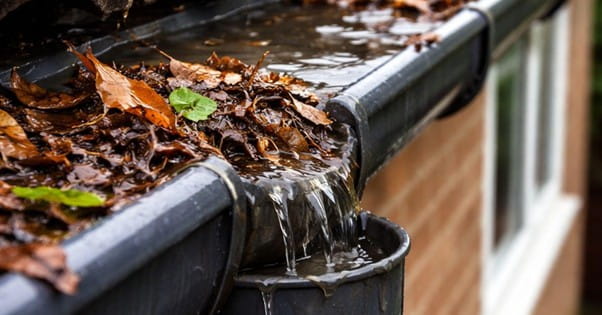
Blocked downpipes rarely announce themselves politely. More often, they surface during or after a heavy Melbourne downpour. It’ll be when your gutters overflow, water pools where it shouldn’t, and those previously ‘small issues’ suddenly become expensive ones.
For homeowners, that can mean water damage and repairs. For businesses, strata managers, schools and facilities, it can mean operational disruption, compliance risks, and avoidable expenditure.
The common thread?
Most blocked downpipes are preventable with the right maintenance approach.
Let’s take a look at preventative downpipe maintenance, with a focus on how Melbourne properties can reduce their risk, extend the life of the property, and avoid expensive, reactive call-outs.
Why Downpipes Fail (and Why Melbourne Is a Perfect Storm)
Downpipes are designed to efficiently redirect water away from your property (both commercial and residential). When they’re free and clear, there are no issues. The problems arise when the flow is restricted, and particularly when it builds over time.
In Melbourne, several local factors increase the likelihood of blockages:
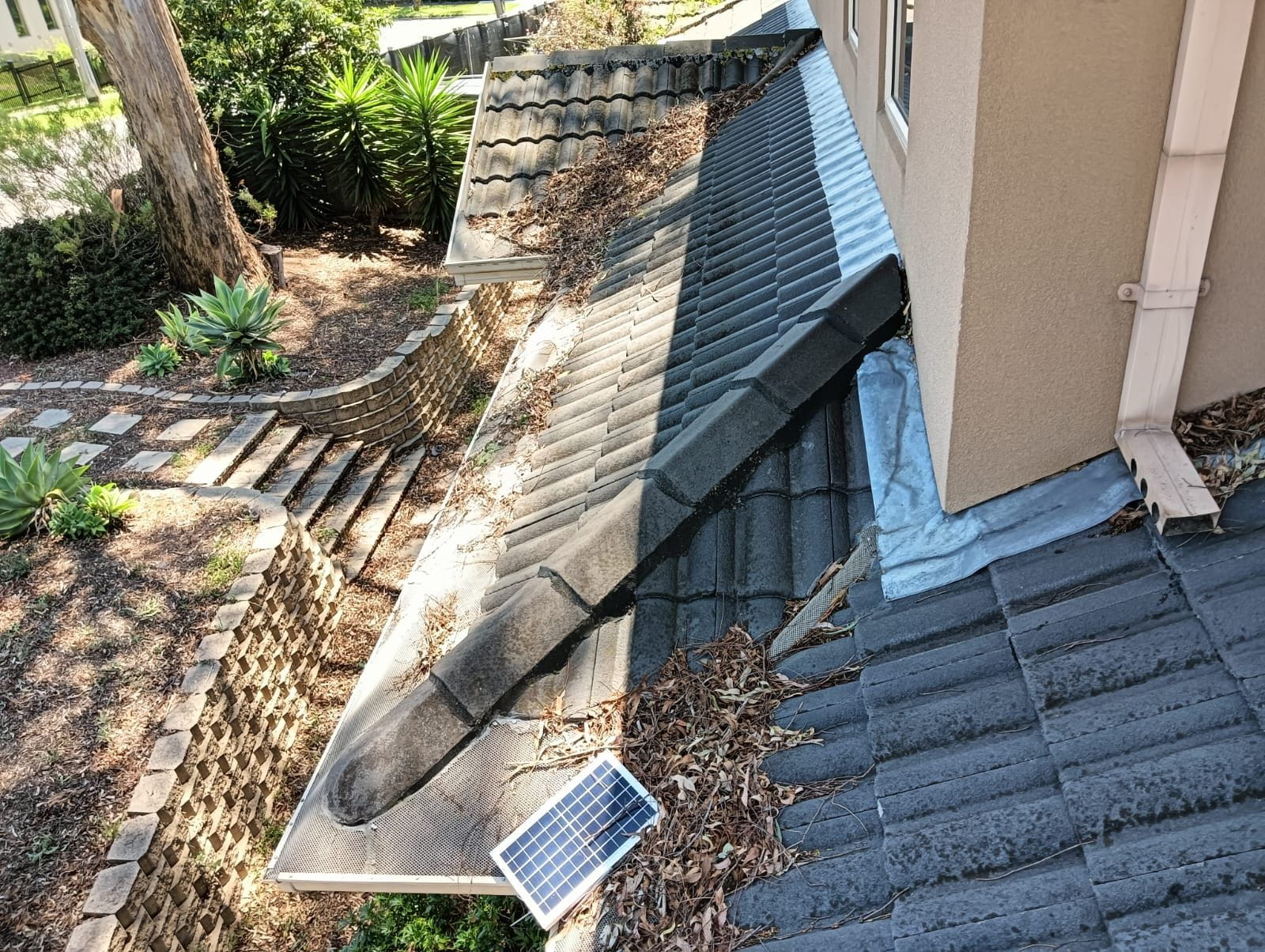
- Heavy tree coverage in suburbs like Camberwell, Kew, Essendon and Glen Iris – here’s a great blog post – which Victorian trees leave the most gutter clutter
- Fine leaf matter from plane trees and eucalypts that compacts easily
- Seasonal storms that push debris rapidly through roof drainage systems
- Older commercial and strata buildings with ageing or undersized stormwater infrastructure
Blocked downpipes are rarely caused by one dramatic event. More often, they result from a gradual build-up, unnoticed until water has nowhere left to go.
How to Tell If Your Downpipes Are Blocked
- Gutters overflow during rainfall
If water spills over the edges of your gutters instead of flowing into the downpipe, it often indicates restricted drainage. This is particularly noticeable during heavy or sustained rain. - Water pools around the base of the building
Puddles forming near downpipes, footings or external walls can signal that water is backing up rather than being directed into the stormwater system. - Leaks appear along the downpipe
Water escaping from joints or seams in the pipe, especially in sections that should remain dry - Damp patches or water staining indoors
Moisture marks, mould or staining on walls and ceilings near external walls may indicate water is tracking back through the structure due to poor drainage. - Unusual noises during rainfall
Gurgling sounds or slow-moving water can suggest that flow is being restricted somewhere within the downpipe or connected stormwater line.
Spotting these warning signs early allows issues to be addressed before they escalate into more serious drainage problems. If more than one of these symptoms is present, a professional inspection is often the most effective next step.
Should I Dismantle My Downpipe?
Dismantling a downpipe is sometimes presented as a quick fix for stubborn blockages, but it is not always the best or safest option, particularly for commercial buildings or multi-storey properties.
While removing sections of pipe can provide direct access to a blockage, it also introduces risk. Downpipes are often connected to older fittings, concealed joints, or underground stormwater systems. Improper removal can lead to cracked pipes, misaligned connections, or leaks that only become apparent after the next heavy rainfall.
There is also the practical consideration of working at height. Accessing and dismantling pipework safely requires stable equipment, appropriate tools, and experience. For strata-managed sites, schools, or businesses, this can raise safety and liability concerns.
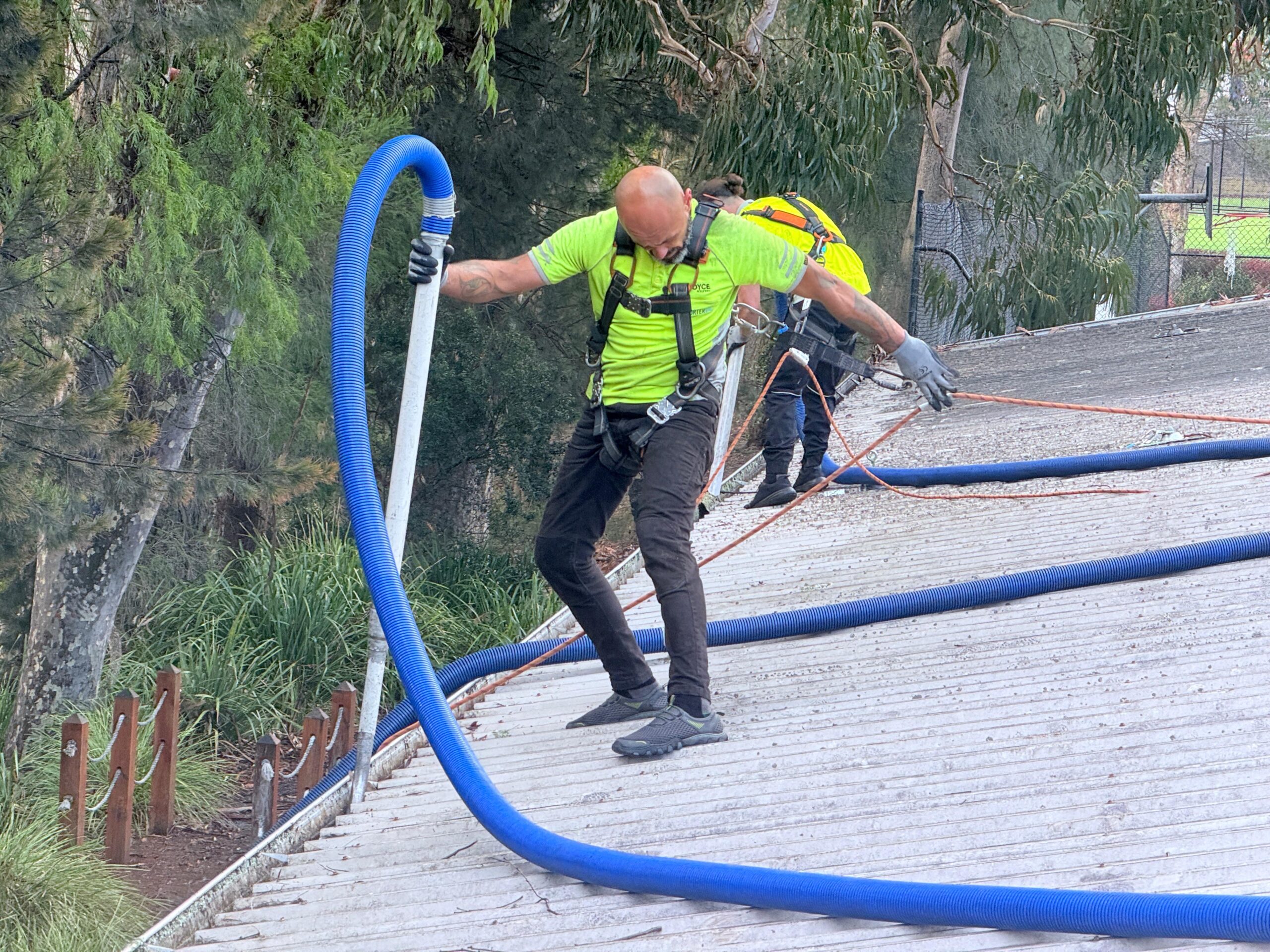
In many cases, blockages can be identified and cleared without dismantling the pipe at all. Professional gutter cleaners, like PorterVac, use inspection techniques and specialist equipment to locate blockages and restore flow without unnecessary disruption.
If a downpipe continues to back up, shows signs of structural damage, or connects into an ageing or unknown stormwater system, dismantling should be approached with caution and usually left to a professional. A proper assessment ensures the underlying issue is addressed, not just the visible symptom.
The Real Cost of “We’ll Deal With It Later”
A partially blocked downpipe still drains, just not properly. That false sense of security is where most damage begins.
Unchecked drainpipe blockages can lead to:
- Water ingress into walls and ceilings
- Deterioration of footings, foundations, property and more
- Overflow impacting neighbouring tenancies or properties
- Emergency call-outs during storms, when access is harder, and costs are higher
For commercial and strata-managed sites, this also raises questions around duty of care, maintenance records, and insurance claims.
Preventative Maintenance: What Actually Works
Preventative maintenance is not about doing “more”. It is about performing the right maintenance at the right intervals before failure occurs.
1. Routine Inspections (Not Just Cleaning)
Visual checks alone often miss early warning signs. Professional inspections assess:
- Internal build-up within downpipes
- Connection points between gutters, pipes and stormwater
- Early corrosion, cracking or joint separation
- Flow performance under controlled testing
This is particularly important for multi-storey buildings, schools and commercial premises where issues may not be visible at ground level.

- Clearing Debris Before It Compacts
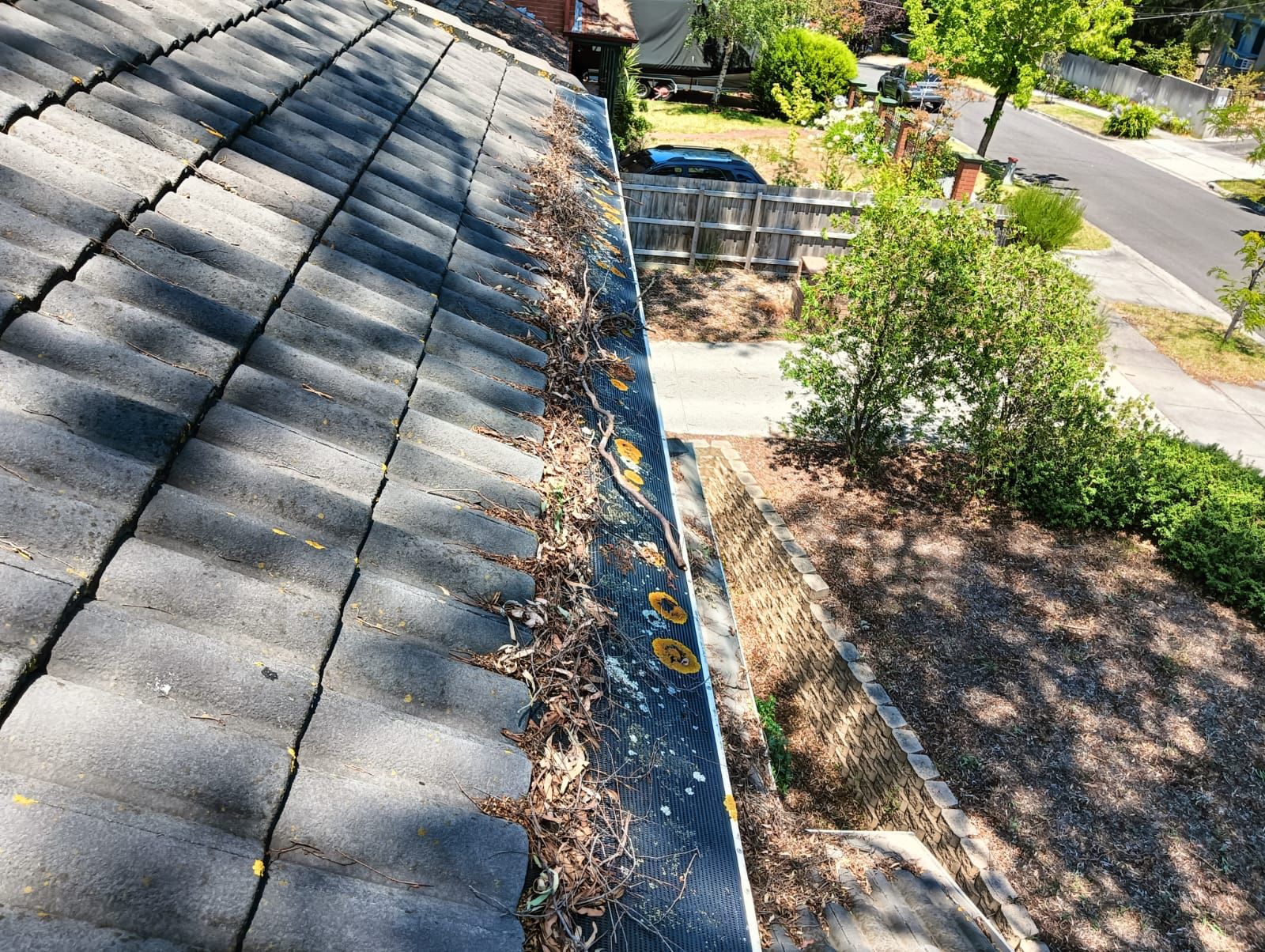
Leaves are inconvenient, but compacted organic matter mixed with roof grit is a blockage.
Preventative maintenance removes leaves and waste material before they compact and harden. It means it’s easier and less invasive than clearing a fully blocked line later.
Start with a visual check:
Look at the gutter and the top of the downpipe for any obvious obstructions. Larger items such as branches or wind-blown debris can sometimes become lodged near the opening and restrict flow.
Use controlled water pressure:
If no blockage is immediately apparent, a simple garden hose can help test and encourage water flow. Feeding the hose into the downpipe from ground level and running water steadily may help loosen light build-up and confirm whether the pipe is draining correctly. Or confirm if there’s a suspected blockage.
- Understanding What’s Below Ground
Many downpipe issues originate underground. Tree roots, sediment build-up or collapsed stormwater lines can cause back-ups that present as “downpipe problems” at the surface.
Specialist equipment, such as vacuum excavation and high-capacity drain-clearing, enables these issues to be identified and addressed without unnecessary disruption.
- Seasonal Scheduling
In Melbourne, preventative maintenance is most effective when timed around:
- Late autumn (after leaves fall)
- Early spring (before the storm season)
- After major weather events
For commercial sites and strata portfolios, this is often part of a planned maintenance schedule rather than ad-hoc call-outs.
Here’s a seasonal gutter cleaning guide for Melbournians
Regular gutter and downpipe maintenance should be planned based on the environment around the building. Properties surrounded by trees may require more frequent attention, particularly in autumn when leaf fall is at its peak. A follow-up clean in spring is also important to clear material that has settled over winter and ensure the system is ready for spring’s heavier rainfall.
Safety should always be a priority when carrying out any drainage maintenance. Gutters and downpipes must only be accessed using a stable ladder positioned on level ground, with appropriate protective equipment such as gloves and eye protection. For those who prefer not to work at height, engaging a professional service is often the safest and most effective option. Experienced drainage specialists have the tools and training to service the entire system thoroughly, including addressing developing downpipe restrictions before they escalate.
Here’s what to do if your gutters are overflowing.
Residential vs Commercial: Same Problem, Different Stakes
While the physics of drainage are the same, the implications differ.
- Homes benefit from early intervention that avoids internal water damage and structural issues.
- Commercial buildings, schools and strata sites benefit from documented maintenance, predictable costs, and reduced emergency risk.
Preventative maintenance generates a planned, manageable asset, particularly valuable for decision-makers responsible for multiple properties.
When to Bring in a Gutter Maintenance Specialist
If any of the following apply, preventative professional support is usually the smarter option:
- Repeated blockages at the same location
- Water backing up despite clear gutters
- Downpipes connected to older or unknown stormwater systems
- Multi-storey or hard-to-access buildings
- Sites where downtime, safety or compliance matters
This is where specialist drainage and vacuum excavation expertise adds value beyond basic cleaning.
And remember, safety first. Here are our summer gutter safety tips.
A Smarter, Long-Term Approach to Drainage
For Melbourne homes and businesses, well-maintained downpipes protect the buildings, budgets and peace of mind.
If you are unsure about the condition of your drainage system, a professional inspection can help identify issues before they escalate. Speaking with a specialist early is often the simplest way to prevent unnecessary damage later.
PorterVac works with homeowners and tenants, strata managers, schools, councils and local businesses across Melbourne to keep drainage systems functioning as they should: quietly, efficiently, and reliably.
Our team are experts in downpipe and gutter maintenance and can give you the best advice for your Melbourne home or commercial property. Call us at 1300833399 and get in touch with us today!
How often should downpipes be inspected in Melbourne?
At least twice per year for most commercial properties, particularly those in tree-dense areas.
Are blocked downpipes always caused by leaves?
Not always. Leaves start the process, but sediment, roof grit, roots and structural issues often complete it.
Can gutter guards eliminate blockages altogether?
They can reduce debris entry, but do not remove the need for inspections and maintenance, especially at bends, joints and underground connections.
Is preventative gutter maintenance cheaper than emergency call-outs?
Almost always. Preventative work is planned, controlled and less invasive than emergency drainage failures.
Who is responsible for clearing downpipes and gutters in a strata or commercial setting?
Responsibility typically sits with the owner’s corporation or property manager, making documented maintenance especially important.
When is it too much for me to manage my downpipes myself?
If blockages recur, water is backing up, or the system connects to underground drainage, a professional, experienced gutter expert would be our recommendation.