

Last Updated on 2 February 2026
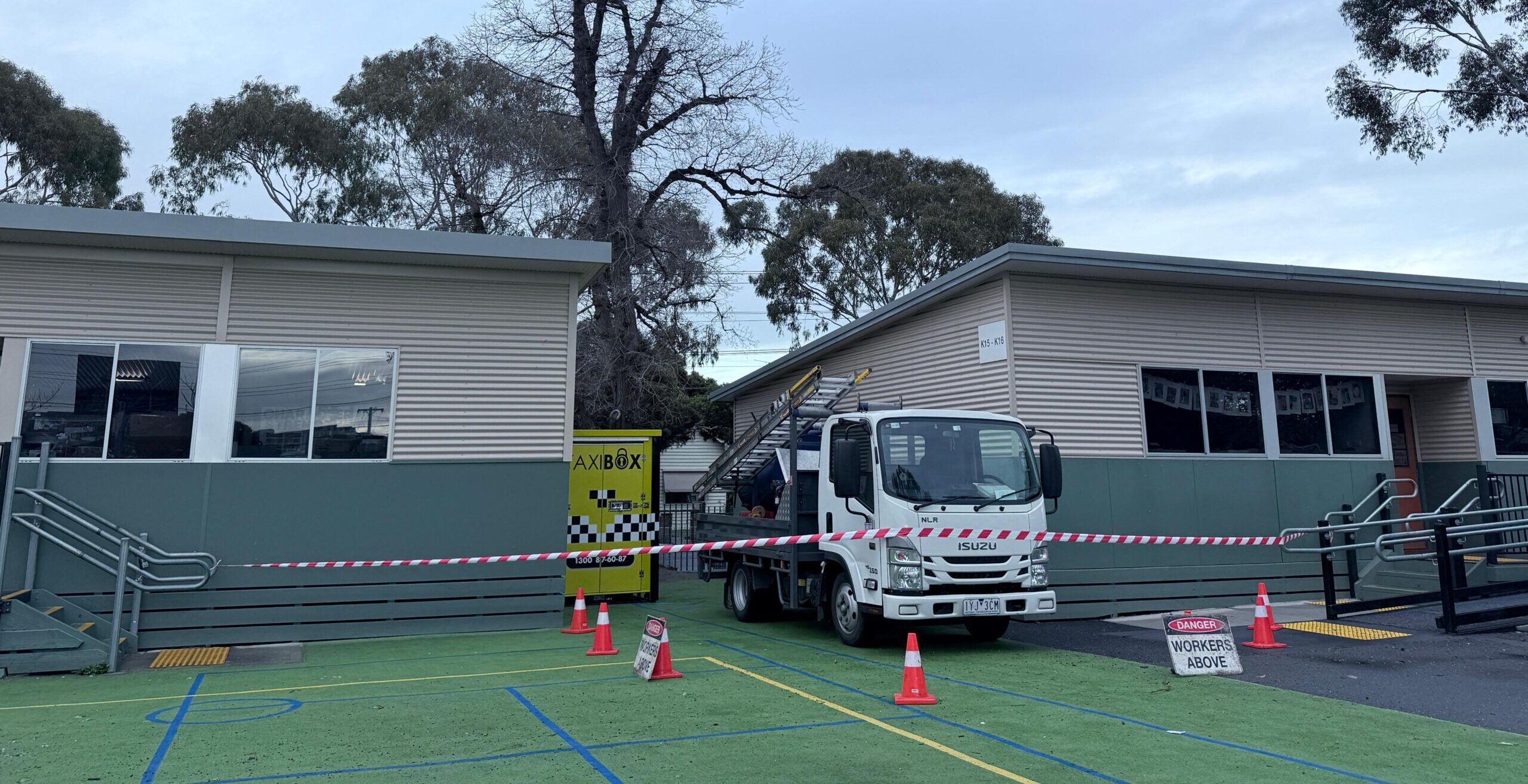
Maintaining a school building is more than child safety, classroom upkeep and playgrounds. An oft-overlooked consideration with serious consequences is gutter maintenance.
With Melbourne’s seasonal downpours, leafy suburbs, and fluctuating weather patterns, poorly maintained gutters can quickly lead to water damage, safety hazards, and avoidable repair costs.
For schools, where safety, budgeting, and uninterrupted learning environments are paramount (ahem, that’s all of our schools, right?), proactive gutter care is essential infrastructure maintenance.
Let’s take a look at the specific challenges schools face with gutter systems, the benefits of regular cleaning, and the ideal maintenance schedule to ensure educational facilities across Melbourne remain safe, compliant, and resilient throughout the year.
Unique Challenges Schools Face with Gutters
While gutter maintenance is important for any property, schools face a distinct set of challenges that make regular upkeep more complex. From the scale of their rooflines to the constraints of operating within academic calendars, educational facilities in Melbourne require a tailored approach to gutter care to prevent disruptions, damage, and safety risks.
Larger Roof Areas with More Debris Collection
Most schools in Melbourne are built across expansive sites with large roof footprints. We’ll typically see classrooms, gymnasiums, libraries, and administrative buildings.
These wide roof areas naturally collect more leaves, twigs, and organic debris, particularly during autumn and spring.
When surrounded by mature trees (as is common in many inner and suburban Melbourne campuses), gutters can quickly become blocked, increasing the risk of overflow, water ingress, and structural damage.
Older Buildings with Ageing Infrastructure
Many educational facilities operate from heritage or mid-century buildings.
While these structures often add character to the school, they typically come with outdated or deteriorating gutter systems.
Cracked gutter linings, rusted brackets, and inadequate drainage design can lead to recurring maintenance issues, and in some cases, hidden water damage that compromises internal walls or ceilings.
Limited Maintenance Windows
School facility teams are usually limited to narrow maintenance periods, such as term breaks or public holiday weekends. This restricts the ability to address gutter-related issues proactively, making reactive maintenance more disruptive during the school term.
Coordinating access, working around staff and student schedules, and adhering to safety protocols adds another layer of complexity that is unique to educational settings.
Key Risks of Ignoring Gutter Maintenance in Schools
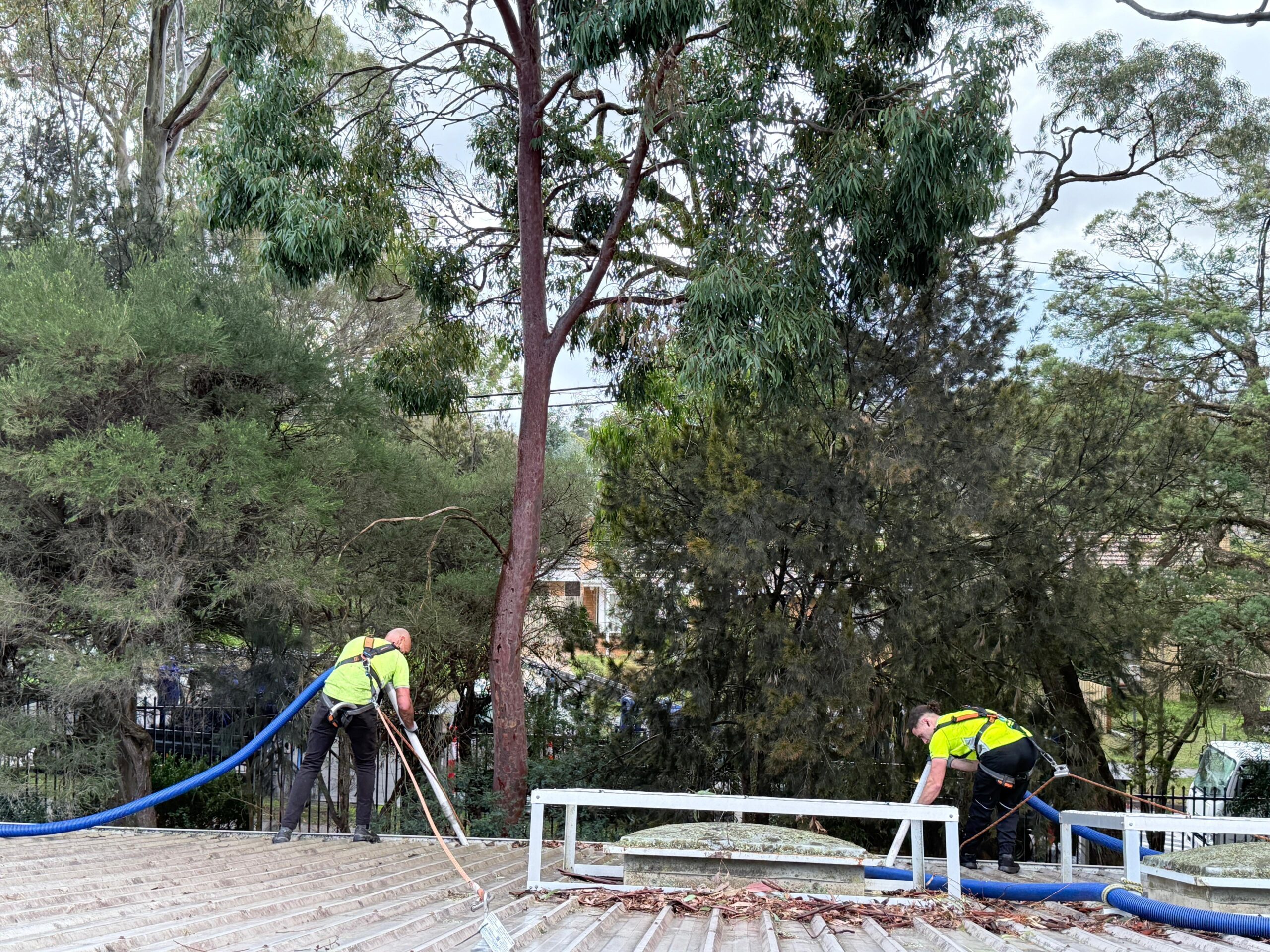
For schools, the consequences of neglecting gutter maintenance are often more serious, posing risks to student safety, building integrity, and operational continuity.
Below are the key issues that can arise when gutters are overlooked in an educational setting.
Health and Safety Hazards
Overflowing gutters can create slippery pathways, pooled water near building entrances, and even internal leaks that compromise indoor air quality.
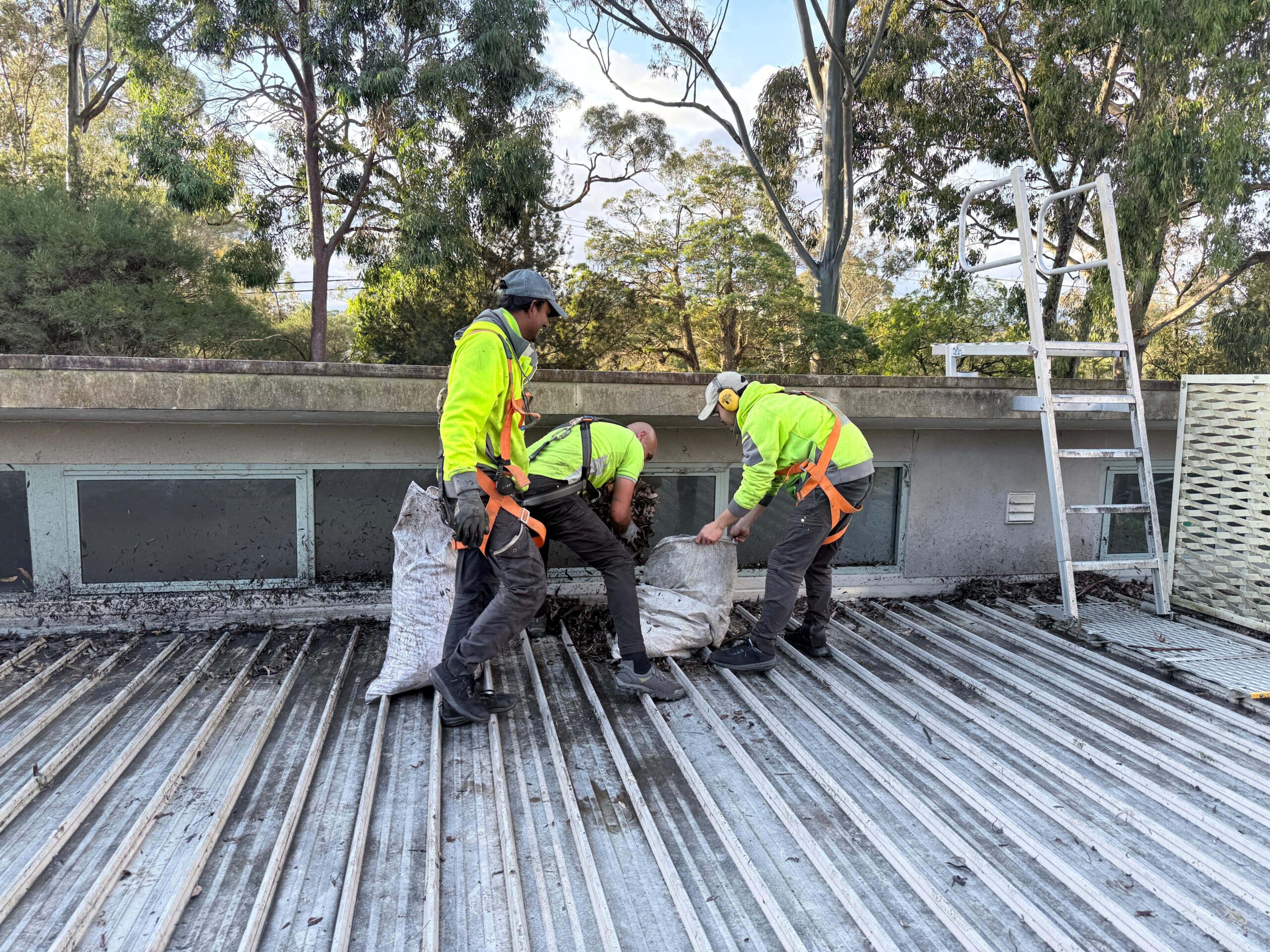
In high-traffic areas like corridors, outdoor walkways, and covered play zones, this presents a significant safety concern. Mould growth and damp conditions can also impact the health of students and staff, particularly those with asthma or allergies — a risk that schools cannot afford to ignore.
Structural Damage and Disruption
Blocked gutters can cause water to back up and seep into walls, ceilings, and foundations. Over time, this leads to costly structural damage, including rotted timbers, cracked plaster, and compromised roofing.
For schools, this often results in the need for emergency repairs, temporary classroom closures, and disruptions to learning, all of which can negatively impact student outcomes and the school’s reputation.
Insurance & Compliance Issues
Failure to maintain essential building infrastructure like gutters can put a school at risk of breaching insurance requirements or regulatory obligations (see subtopic below).
If water damage occurs due to preventable blockages, insurers may deny claims based on negligence.
Furthermore, non-compliance with occupational health and safety standards can expose schools to penalties and legal liability, particularly where student or staff safety is involved.
Benefits of Regular Gutter Cleaning for Educational Facilities
Consistent gutter maintenance is a preventative measure that delivers long-term operational, financial, and safety benefits.
For schools managing tight budgets and complex site infrastructure, regular cleaning helps avoid reactive issues and supports compliance with facility management standards.

Cost Savings on Emergency Repairs
Blocked gutters often lead to sudden water ingress, internal leaks, and damage to plaster, flooring, or electrical systems, all of which require urgent and expensive repairs. Routine cleaning minimises these risks by maintaining clear drainage pathways, helping schools avoid last-minute call-outs and unbudgeted maintenance expenses.
Extended Building Lifespan
Water pooling and overflow can accelerate deterioration in roofs, walls, and foundations, particularly in older school buildings.
Regular gutter cleaning helps protect these structural elements by ensuring proper water evacuation, reducing the likelihood of long-term damage and extending the life of key building assets.
Reduced Liability for Accidents
Water spillage from blocked gutters can create slip hazards around entryways, footpaths, and play areas.

Proactive maintenance helps prevent these risks, supporting a safer environment for students, staff, and visitors, reducing potential exposure to injury claims or regulatory breaches.
Legal Requirements for the Gutter Maintenance of Schools in Melbourne
The Buildings and Grounds Maintenance and Compliance Policy mandates that principals ensure routine upkeep of all essential building systems, including “roof down-pipes and guttering” as a core activity. See more here.
Schools must conduct annual inspections and maintenance of gutters and downpipes to prevent blockages, water overflow, staining, and building ingress Department of Education Victoria. See more here.
Ideal Maintenance Schedule for Schools
To minimise disruption and maximise safety, schools should align gutter maintenance with the academic calendar and seasonal conditions. A planned, proactive schedule ensures issues are addressed before they become costly or hazardous.
Use Term Breaks for Holidays and Servicing
The best time to conduct gutter cleaning is during school holidays or term breaks. This avoids interference with classes and ensures safe site access for contractors, eliminating the need for student or staff movement. Booking services in advance of each break helps secure availability during these high-demand periods. Here’s our seasonal guide to gutter cleaning in Melbourne.
Minimum Twice-Yearly Cleaning
At a minimum, educational facilities should schedule gutter cleaning twice per year; typically in late autumn (to clear fallen leaves) and late spring (ahead of summer storms). This approach addresses seasonal debris buildup and ensures gutters are clear before high-rainfall periods.
Gutter maintenance is not optional for schools. It is a critical part of safeguarding infrastructure, ensuring safety, and maintaining compliance. With large roof areas, ageing buildings, and limited service windows, Melbourne schools face unique challenges that require a structured, proactive approach.
PorterVac specialises in commercial and school gutter cleaning, offering scheduled maintenance during term breaks and scalable solutions tailored to school environments.
If you are a Facilities Manager or manage building upkeep at a Victorian school, trust PorterVac to deliver reliable, compliant, and disruption-free service.
Get in touch today to book a site assessment or schedule your next holiday-period clean.